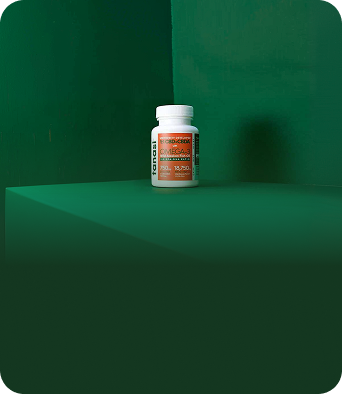
Calm, Comfort & Rest.
Now 35% Off.
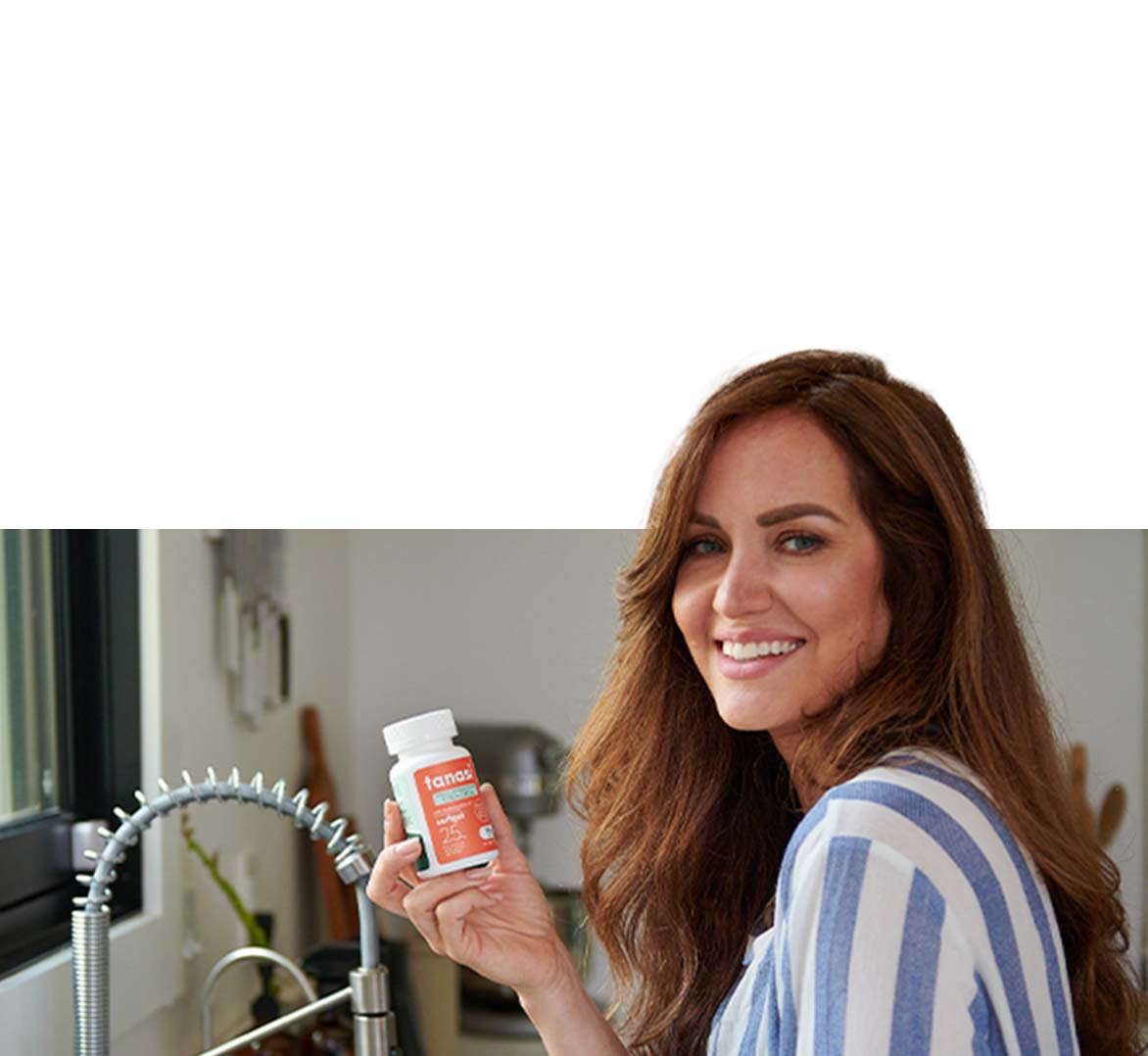
-
US Patent
No. 12,496,307 -
University developed
backed by science -
THC-Free &
Non-intoxicating -
Defined ratio precise
1:1 CBD+CBDA


Built for consistency in every dose.
Powered by our patented 1:1 CBD+CBDA formula
-

For racing thoughts and daily stress
-

For sore muscle joints and tension
-

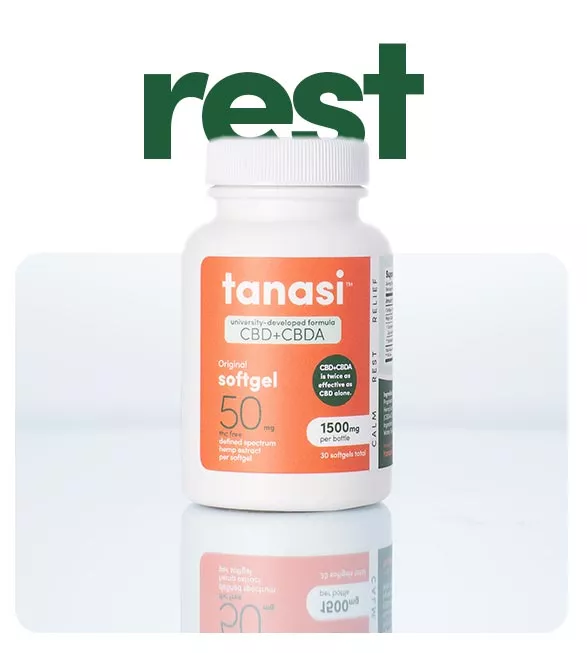
For falling asleep faster and staying asleep longer
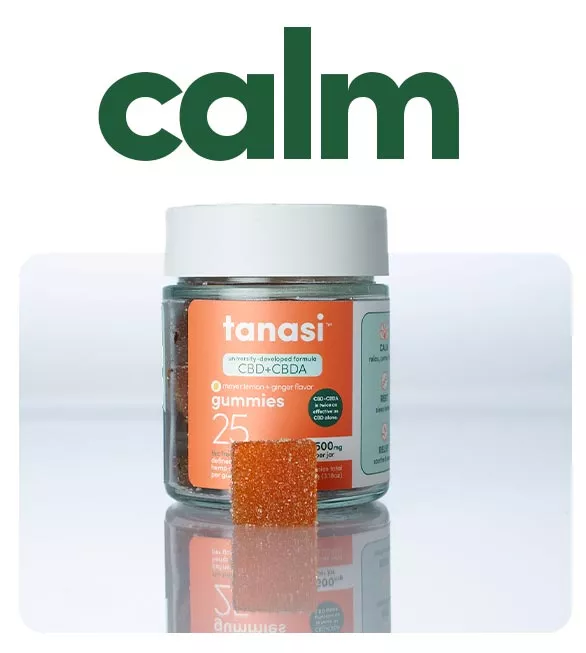
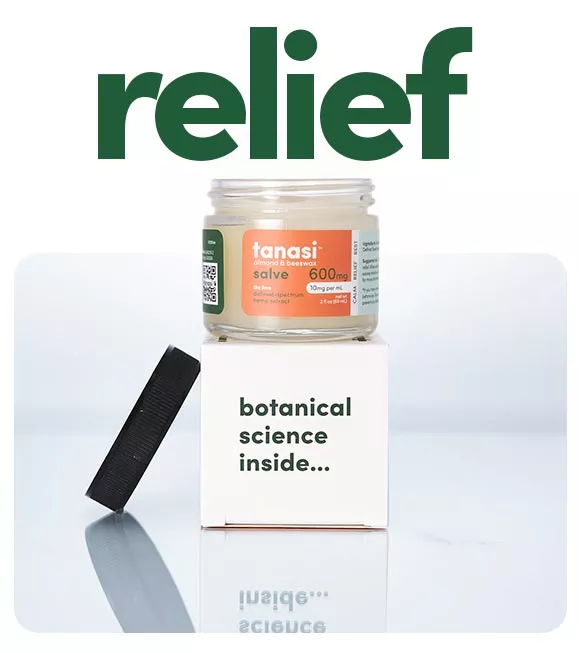
Why This Isn’t Just CBD
Not all CBD works the same. Most products rely on CBD alone.
Tanasi uses a precise 1:1 ratio of CBD and CBDA — two cannabinoids that work better together than in isolation.
That difference is what drives a more consistent experience.
-

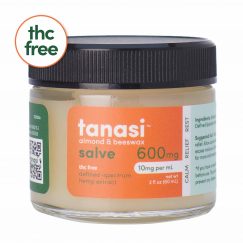
CBD + CBDA Salve
Magic!
Love this salve. I’ve been using it for over 3 months on my knees and I can tell a big difference in my mobility.
-

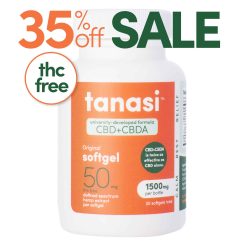
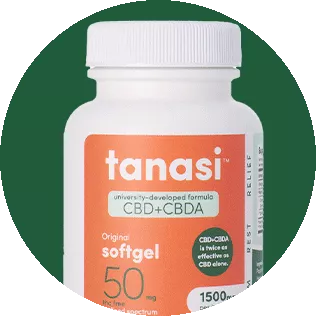
1:1 CBD+CBDA Softgels
Very happy with the softgels
Eases tension after a long day, just enough to rest well and relax. Helps with sleep tremendously.
-
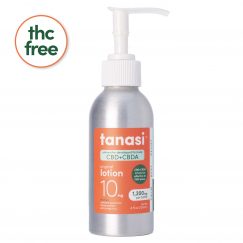
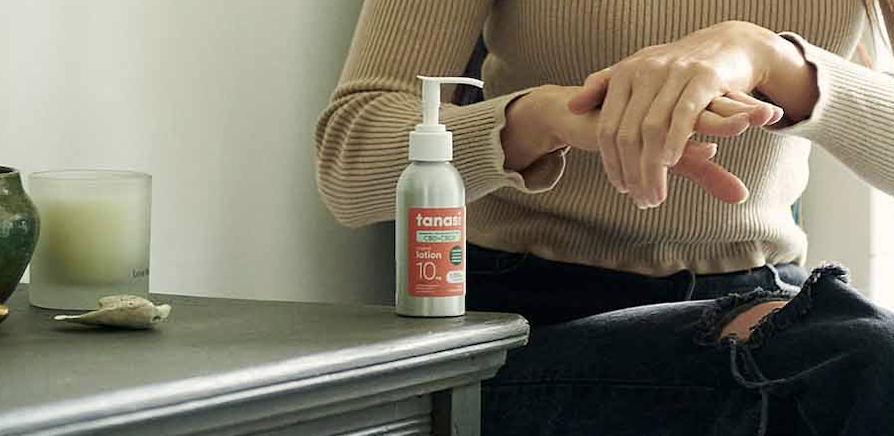
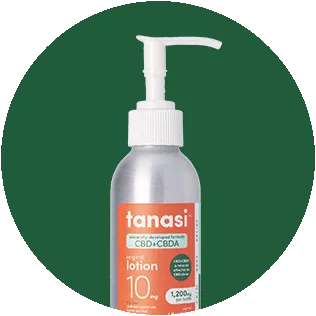
CBD + CBDA Lotion
Motion and Lotion
This lotion is a good way to keep stiff muscles moving. I use it before and after exercise or a long walk. Will definitely purchase again.
-
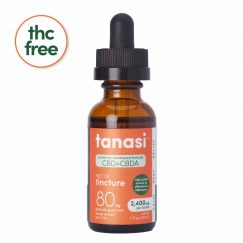
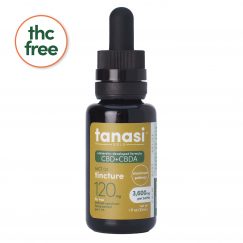
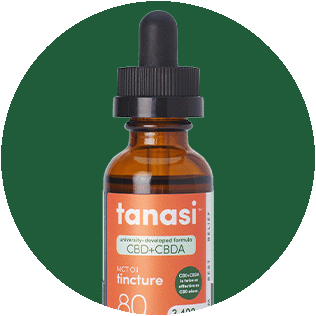
CBD + CBDA Tincture
Rest and Comfort
With regular use of the CBD+CBDA tincture, I have been getting more restful sleep at night, and the chronic discomfort in my hand joints has improved.
Find Your Starting Point
Not sure where to begin? Answer a few quick questions and get a personalized recommendation.
Take the quiz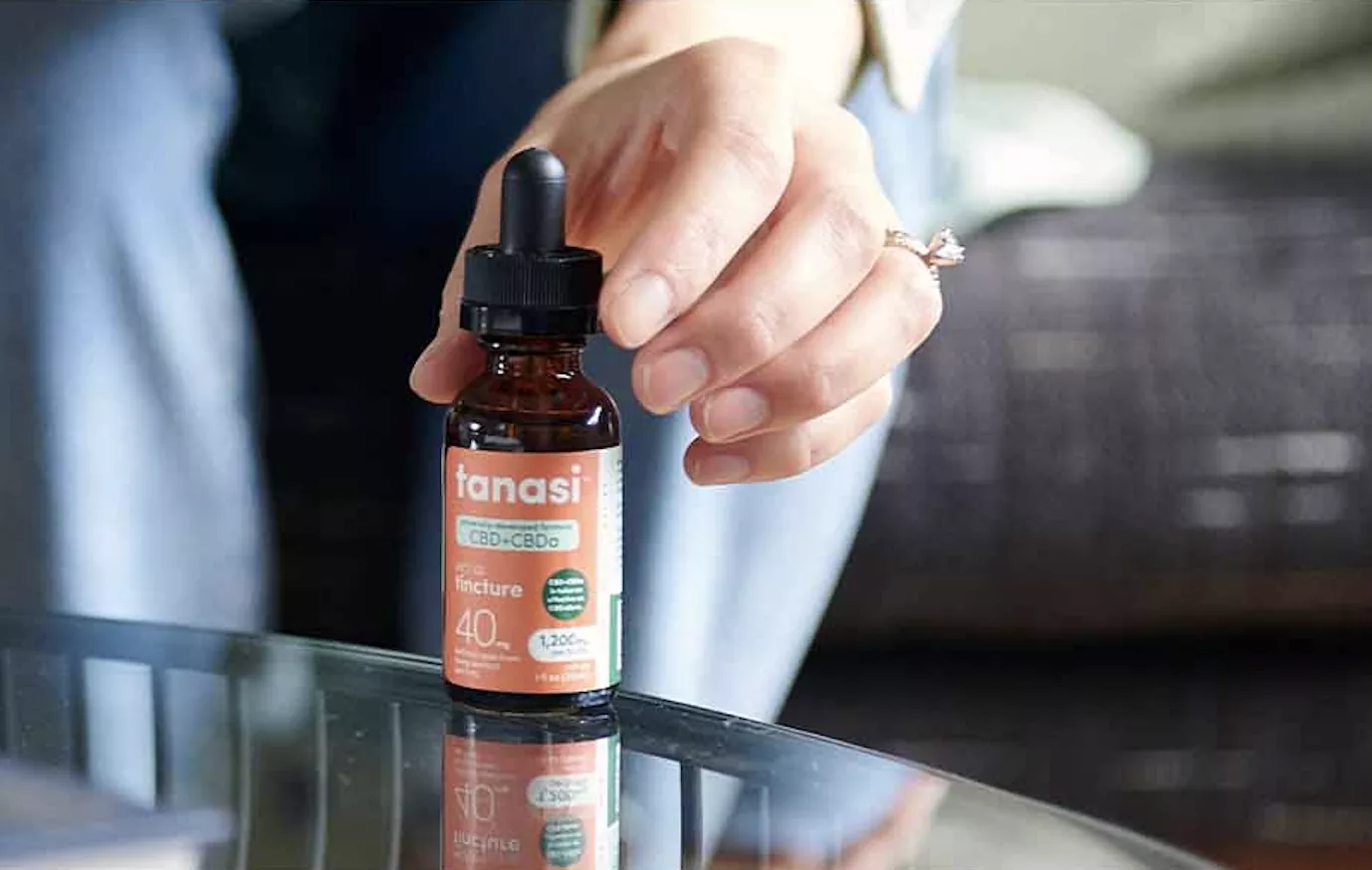
Shop Best Sellers
-

CBD+CBDA Salve
$27.99 — or subscribe to save 25% View product This product has multiple variants. The options may be chosen on the product page- Sale!
CBD+CBDA Softgels
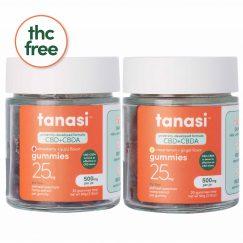
Original price was: $21.99 – $64.99Price range: $21.99 through $64.99. Price range: $14.29 through $42.24Current price is: $14.29 – $42.24Price range: $14.29 through $42.24. — or subscribe to save 25% View product This product has multiple variants. The options may be chosen on the product pageCBD+CBDA Gummies
$39.99 — or subscribe to save 25% View product This product has multiple variants. The options may be chosen on the product pageOriginal CBD+CBDA Tinctures
$79.99 — or subscribe to save 25% View product This product has multiple variants. The options may be chosen on the product pageCBD+CBDA Lotion
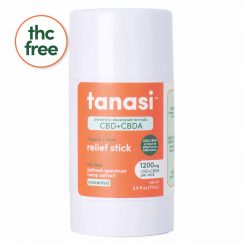
$54.99 — or subscribe to save 25% View productCBD+CBDA Relief Stick – Unscented
$59.99 — or subscribe to save 25% View productCBD+CBDA GOLD Tinctures
$139.99 — or subscribe to save 25% View product This product has multiple variants. The options may be chosen on the product page- Sale!
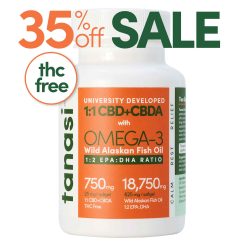
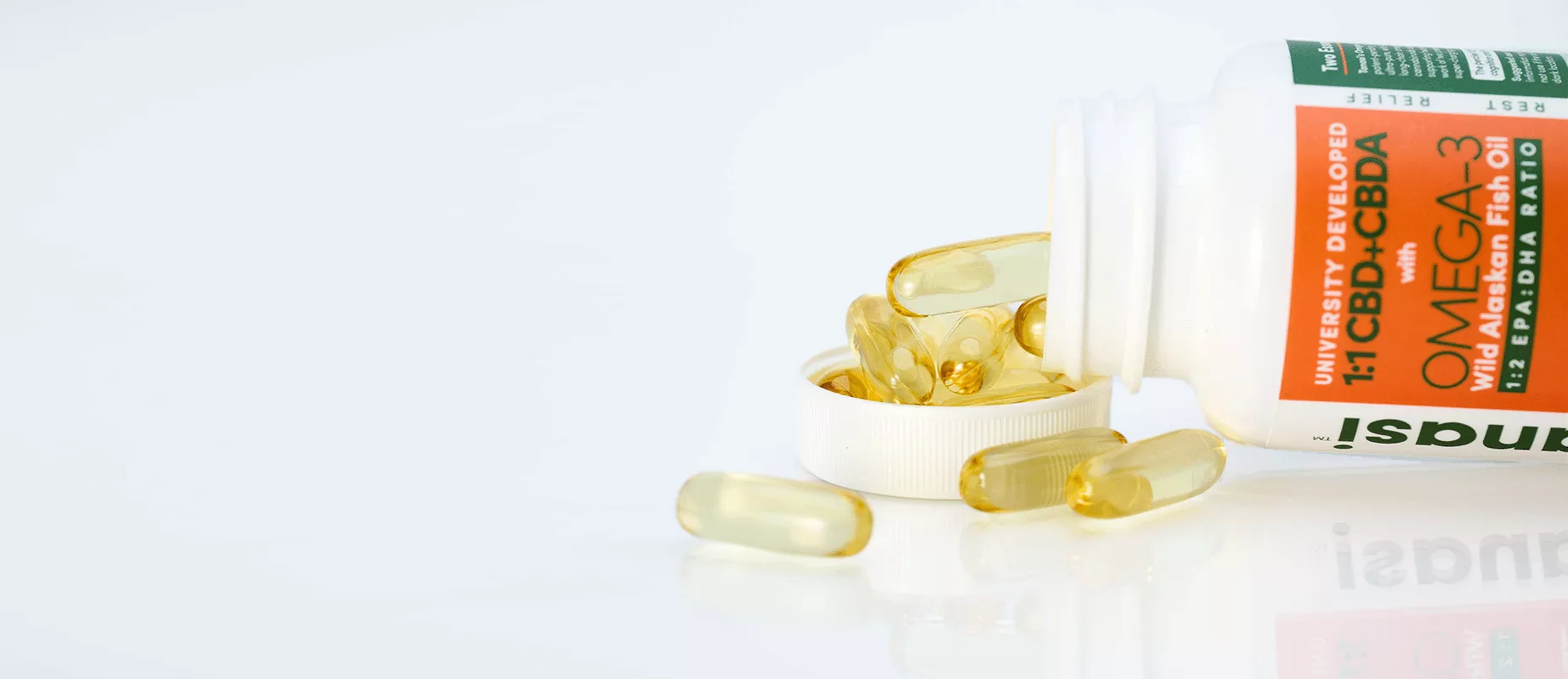
CBD+CBDA Omega-3 Softgel
Original price was: $49.99.$32.49Current price is: $32.49. — or subscribe to save 25% View product This product has multiple variants. The options may be chosen on the product page
 Shop Product
A patented approach to cannabinoids.
Start your routine today
Shopping cart0SALE: 35% Off Softgels
There are no products in the cart!You're $75.00 away from
free shipping Continue shopping
30 Day Money Back Guarantee
- Sale!